Sfântul Sinod al Bisericii Ortodoxe Române Preacucernicului cler, preacuviosului cin monahal și iubiților credincioși mireni din Patriarhia Română, Har, pace și bucurie de la Dumnezeu, iar de la Noi,
26 Oct, 2026







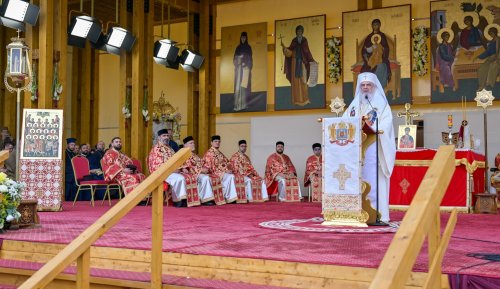
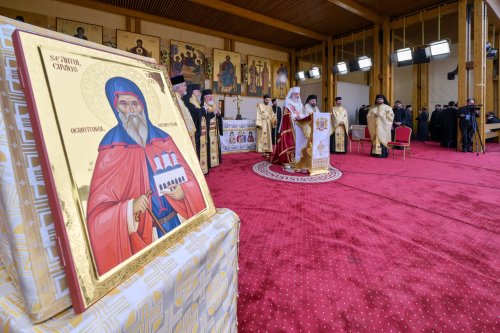
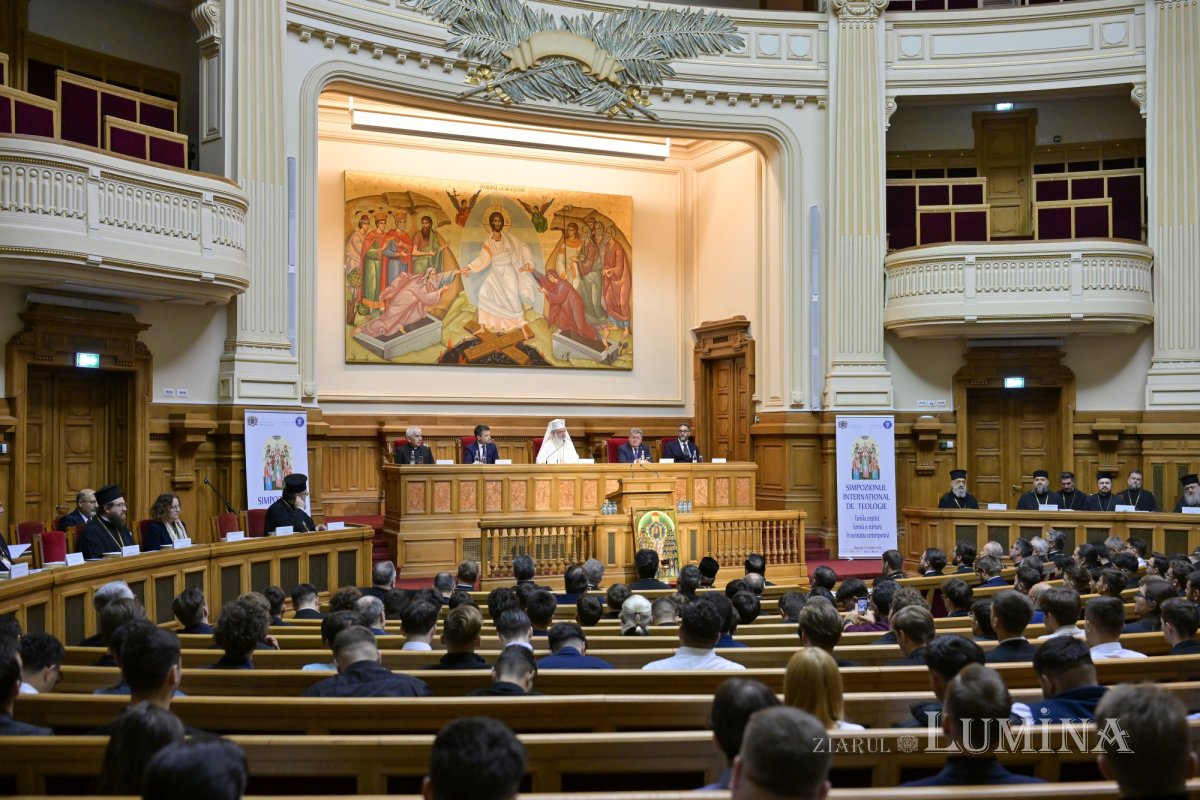
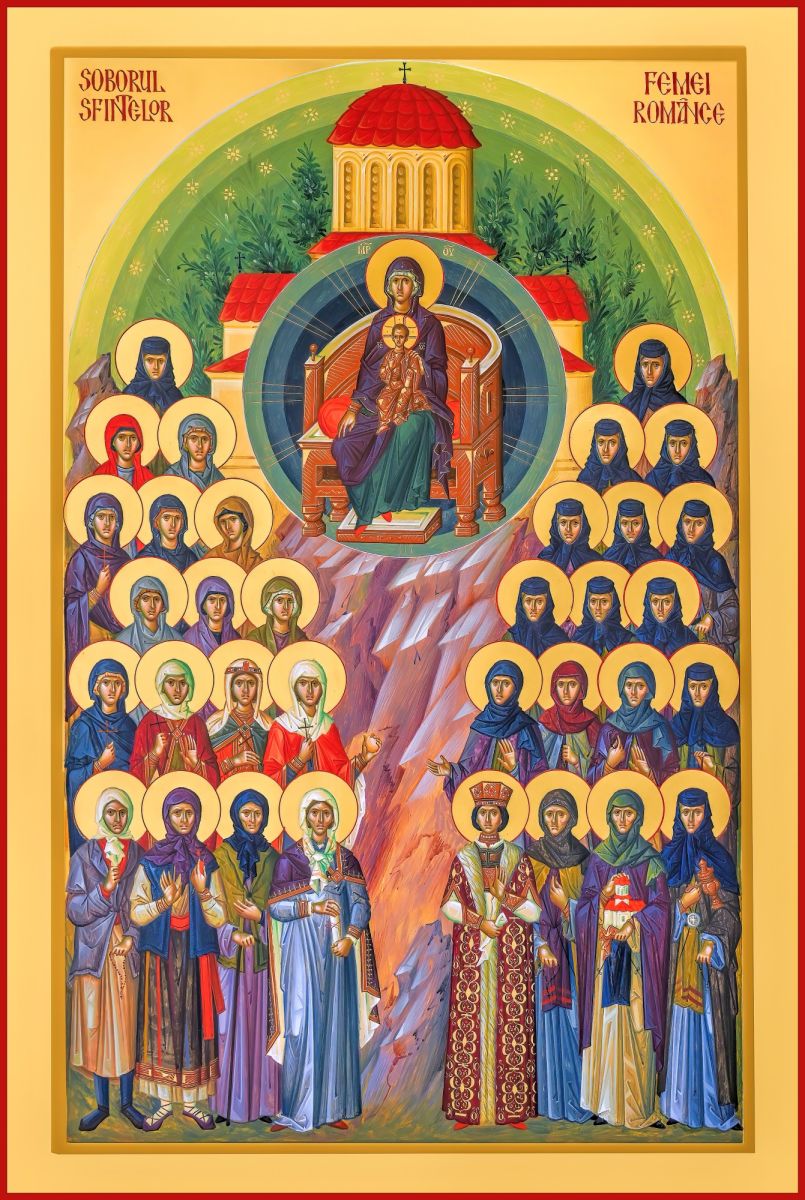
Simpozionul Internațional de Teologie cu tema Familia creștină: lumină și mărturie în societatea contemporană, organizat de Patriarhia Română, prin Sectorul teologic-educațional și Sectorul relații creștine, interreligioase și comunități românești externe, în cooperare cu Facultatea de Teologie Ortodoxă Justinian Patriarhul a Universității din București și cu sprijinul Secretariatului de Stat pentru Culte, reprezintă un eveniment semnificativ în cadrul manifestărilor prilejuite în Biserica Ortodoxă Română de Anul omagial al pastorației familiei creștine și Anul comemorativ al sfintelor femei din calendar (mironosițe, mucenițe, monahii, soții și mame).
Lucrările simpozionului se desfășoară în perioada 5-8 octombrie 2026, la Palatul Patriarhiei și la Facultatea de Teologie Ortodoxă Justinian Patriarhul din București, reunind reprezentanți ai instituțiilor de stat, ierarhi, preoți, profesori de teologie și specialiști din țară și străinătate. Astfel, acest simpozion constituie un eveniment de cooperare academică și comuniune spirituală, care oferă participanților ocazia de a prezenta o mărturie edificatoare despre importanța, rolul și misiunea familiei creștine în societatea actuală.
Prin structura programului, Simpozionul Internațional de Teologie dedicat familiei creștine nu se rezumă doar la dimensiunea academică, ci are și o semnificație spirituală și pastorală. Prelegerile și comunicările științifice care vor fi prezentate pe parcursul simpozionului abordează, într-o manieră fundamentată teologic și interdisciplinar, principalele dimensiuni ale pastorației familiei creștine în contextul actual. Prelegerile vor evidenția necesitatea și importanța pastorației familiei astăzi, pornind de la rolul privilegiat al acesteia în transmiterea credinței și al formării spirituale a copiilor și tinerilor. Totodată, vor fi analizate reperele esențiale privind pastorația și sprijinirea familiei creștine în viața Bisericii, atât în lumina învățăturii Sfintei Scripturi și a tradiției patristice, cât și din perspectiva nevoilor pastorale de azi. Un loc important îl ocupă reflecțiile asupra realităților și provocărilor cu care familia creștină se confruntă în societatea contemporană. Prin această diversitate tematică, simpozionul își propune să ofere un cadru de dialog academic și pastoral, favorizând identificarea unor direcții și soluții care să contribuie la consolidarea lucrării Bisericii în sprijinirea familiei creștine și a misiunii acesteia în societatea de astăzi.
În această societate, marcată de numeroase transformări și provocări precum migrația și mobilitatea profesională, secularizarea rapidă și necunoașterea valorilor creștine, influența excesivă a tehnologiei și a mediului digital asupra psihicului uman în detrimentul relațiilor de comuniune între persoane, devine tot mai necesară și prioritară o aprofundare a vocației și a misiunii familiei creștine în viața Bisericii și a societății. În acest sens, redescoperirea și valorificarea Tradiției ortodoxe privind familia ca icoană a iubirii lui Dumnezeu pentru umanitate și ca mediu terestru de pregătire pentru sfințenie și pentru participarea la viața eternă cerească (cf. Ioan 11, 25) reprezintă un demers esențial și necesar.
Biserica are responsabilitatea de a sprijini și întări familia creștină printr-o pastorație permanentă, oferind îndrumare spirituală în toate etapele vieții de familie: pregătirea tinerilor pentru Taina Cununiei, educația creștină a copiilor, consilierea în depășirea dificultăților și cultivarea comuniunii de iubire dintre membrii familiei. În perspectiva ortodoxă, familia nu este doar o instituție socială, ci o biserică mică, după expresia Sfântului Ioan Gură de Aur, care afirmă că și casa este o mică biserică1. În cadrul familiei creștine, credința este trăită, mărturisită și transmisă firesc din generație în generație. De asemenea, Sfânta Scriptură prezintă relația lui Dumnezeu cu oamenii prin imaginea comuniunii de iubire dintre bărbat și femeie, familia devenind astfel icoana legăturii dintre Hristos și Biserică (cf. Efeseni 5, 21-33). Biserica este locul în care, prin lucrarea luminătoare a Sfântului Duh asupra sufletului omului smerit, se trăiește iubirea frățească în Dumnezeu-Fiul devenit Om și iubirea părintească a lui Dumnezeu-Tatăl, pe Care Domnul nostru Iisus Hristos ne-a învățat să-L chemăm astfel: Tatăl nostru, Care ești în ceruri. Biserica este, deci, Familia iubirii de oameni a Preasfintei Treimi, iar familia creștină a fost numită de Fericitul Augustin pe drept cuvânt Biserica de acasă (Ecclesia domestica)2.
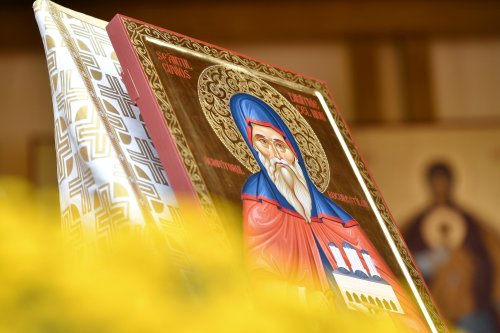
Familia creștină își găsește modele de viață sfântă în numeroase familii sfinte din istoria Bisericii Ortodoxe. De pildă, în secolul al IV-lea, familia Sfântului Vasile cel Mare ne oferă un exemplu remarcabil despre cum sfințenia odrăslește sfințenie: părinții Vasile și Emilia, bunica Macrina cea Bătrână și cinci dintre copii - Sfântul Vasile cel Mare, Sfântul Grigorie de Nyssa, Sfântul Petru al Sevastiei, Sfântul Cuvios Navcratie (mare pustnic și făcător de minuni în pustia Sinaiului) și Sfânta Macrina cea Tânără - au devenit toți opt sfinți în calendarul Bisericii, arătând că educația creștină și trăirea virtuților evanghelice în familie pot purta roade de sfințenie pentru toate generațiile. De asemenea, mai târziu, în secolul al XIV-lea, familia Sfântului Grigorie Palama, în care părinții Constanțiu și Kalloni și cei cinci copii ai lor - Grigorie, Teodosie, Macarie, Epiharis și Teodota - au fost toți șapte canonizați de Biserică, ne arată că sfințenia poate înflori atât în familiile creștine, cât și în viețuirea monahală, prin iubire de Dumnezeu și iubire față de semeni.
În istoria poporului român, un model deosebit îl constituie familia Sfântului Voievod Martir Constantin Brâncoveanu. Împreună cu cei patru fii ai săi - Constantin, Ștefan, Radu și Matei - și cu sfetnicul Ianache Văcărescu, voievodul a primit moarte martirică la Constantinopol, în anul 1714, refuzând să renunțe la credința în Hristos. Sprijinită de credința și statornicia doamnei Maria Brâncoveanu, care a fost canonizată de Biserica Ortodoxă Română în anul 2025, împreună cu monahia Elisabeta (Safta) Brâncoveanu, această familie, care a dat Bisericii opt sfinți, a mărturisit fidelitatea față de Evanghelie, devenind un simbol al unității familiale, al curajului și al iubirii neclintite față de Dumnezeu și de Biserică. În aceste modele concrete de viață creștină, familia devine locul în care se învață și se practică virtuțile creștine: rugăciunea fierbinte, iubirea smerită și milostivă, răbdarea, iertarea și ajutorarea celor aflați în nevoi.
Din nefericire, constatăm astăzi o criză spirituală a instituției familiei, manifestată prin creșterea numărului de divorțuri, prin slăbirea legăturilor dintre generații și prin diminuarea rolului familiei în educația religioasă a copiilor. Multe familii se confruntă cu dificultăți economice, sociale și spirituale care pot afecta coeziunea și stabilitatea lor. De aceea, Biserica este chemată să-și intensifice cu prioritate eforturile pastorale pentru întărirea familiei creștine, să dezvolte programe de consiliere și sprijin pentru familiile aflate în dificultate, să ofere educație religioasă adecvată pentru copii și să promoveze valorile familiei creștine mărturisitoare.
În acest sens, Biserica Ortodoxă Română va continua și intensifica activitățile de sprijinire a familiei. Prin centrele de consiliere familială, prin programele de pregătire pentru căsătorie, prin acțiunile de asistență socială, Patriarhia Română va continua să ofere sprijin concret pentru consolidarea familiilor creștine.
În prezent, la nivelul Patriarhiei Române funcționează 68 de birouri de asistență socială, 148 de centre de zi pentru copii, 61 centre rezidențiale pentru copii, 108 centre de informare, de consiliere, de sprijin și comunitare, 23 de locuințe protejate, 19 centre de urgență și multe alte organizații ale femeilor, inclusiv la nivel parohial, toate dedicate susținerii familiei creștine și promovării valorilor familiei creștine.
În încheiere, apreciem în mod deosebit organizarea Simpozionului Internațional de Teologie dedicat familiei creștine, care oferă un cadru valoros de reflecție, dialog și aprofundare privind una dintre prioritățile majore ale pastorației Bisericii în societatea contemporană.
În acest sens, adresăm felicitări organizatorilor simpozionului și ne rugăm lui Dumnezeu să-i binecuvânteze pe distinșii oratori din țară și din străinătate, precum și pe toți participanții la lucrările simpozionului, dăruindu-le tuturor sănătate și fericire, precum și bucuria unui dialog luminos și fructuos.
† Daniel
Patriarhul Bisericii Ortodoxe Române
Cuvânt rostit la sesiunea de deschidere a Simpozionului Internațional de Teologie Familia creștină: lumină și mărturie în lumea contemporană, București, 5-8 octombrie 2026.
Note:
1. „Καὶ ἡ οἰκία γὰρ Ἐκκλησία ἐστὶ μικρά”; Sfântul Ioan Gură de Aur, Ὑπόμνημα εἰς τὴν πρὸς Ἐφεσίους ἐπιστολήν (Comentariu la Epistola către Efeseni), XX, 6, în: PG 62, 143.
2. Fericitul Augustin, De bono viduitatis 23, 29 trad. în limba română Despre sfânta feciorie, despre binele văduviei, EIBMO, București, 2019, p. 155.
***
The Vocation and Mission of the Christian Family Today, Priorities of the Church’s Pastoral Work
The International Theological Symposium on the topic of The Christian Family: Light and Witness in the Contemporary Society, organized by the Romanian Patriarchate through the Theological-Educational Department and the Department for Christian and Interreligious Relations, and Romanian Communities Abroad, in cooperation with Justinian the Patriarch Faculty of Orthodox Theology of the University of Bucharest and with the support of the State Secretariat for Religious Affairs, is a significant event among the activities organized by the Romanian Orthodox Church to mark the Solemn Year of Christian Family Pastoral Care and the Commemorative Year of the Holy Women in the Church Calendar (the Myrrh-bearers, Martyrs, Nuns, Wives, and Mothers).
The sessions of the Symposium are being held from 5-8 October 2026 at the Patriarchal Palace and Justinian the Patriarch Faculty of Orthodox Theology in Bucharest, bringing together representatives of state institutions, hierarchs, priests, professors of theology, and specialists from Romania and abroad. Thus, the Symposium constitutes an event of academic cooperation and spiritual communion, offering participants the opportunity to bear an edifying witness to the importance, role, and mission of the Christian family in contemporary society.
By the very structure of its programme, the International Theological Symposium dedicated to the Christian family is not limited to its academic dimension alone, but also carries spiritual and pastoral significance. The lectures and scholarly papers to be presented during the Symposium address, in a theologically grounded and interdisciplinary manner, the principal dimensions of the pastoral care of the Christian family in the contemporary context. The lectures will highlight the necessity and importance of the pastoral care of the family today, beginning with its privileged role in the transmission of the faith and in the spiritual formation of children and young people. At the same time, they will examine the essential principles concerning the pastoral care and support of the Christian family within the life of the Church, both in the light of the teaching of Holy Scripture and the patristic tradition and from the perspective of today’s pastoral needs. An important place is also given to reflections on the realities and challenges that the Christian family faces in contemporary society. Through this thematic diversity, the Symposium seeks to provide a framework for academic and pastoral dialogue, fostering the identification of directions and solutions that will contribute to strengthening the Church’s work in supporting the Christian family and its mission in today’s society.
In this society, marked by numerous transformations and challenges such as migration and labour mobility, rapid secularization and the diminishing knowledge of Christian values, and the excessive influence of technology and the digital environment on the human psyche to the detriment of relationships of communion between persons, a deeper understanding of the vocation and mission of the Christian family in the life of the Church and of society is becoming increasingly necessary and urgent. In this regard, the rediscovery and promotion of the Orthodox Tradition concerning the family as an icon of God’s love for humanity and as the earthly environment in which persons are prepared for holiness and for participation in eternal heavenly life (cf. John 11,25) constitute an essential and indispensable undertaking.
The Church has the responsibility to support and strengthen the Christian family through continuous pastoral care, offering spiritual guidance at every stage of family life: preparing young people for the Sacrament of Holy Matrimony, the Christian upbringing of children, counselling in overcoming difficulties, and fostering the communion of love among the members of the family. From the Orthodox perspective, the family is not merely a social institution but a little church, in the words of Saint John Chrysostom, who affirms that the home, too, is a little church1. Within the Christian family, the faith is lived, confessed, and naturally handed down from one generation to the next. Likewise, Holy Scripture presents God’s relationship with humanity through the image of the communion of love between husband and wife; thus, the family becomes an icon of the bond between Christ and the Church (cf. Ephesians 5,21-33). The Church is the place where, through the enlightening work of the Holy Spirit upon the soul of the humble person, fraternal love in God the Son made Man and the fatherly love of God the Father are experienced—the Father whom our Lord Jesus Christ taught us to invoke, saying: Our Father, who art in heaven. The Church is therefore the Family of the Holy Trinity’s love for humankind, and the Christian family was fittingly called by Blessed Augustine the Church at home (Ecclesia domestica)2.
The Christian family finds models of holy living in the many holy families throughout the history of the Orthodox Church. For example, in the fourth century, the family of Saint Basil the Great offers us a remarkable example of how holiness begets holiness: his parents, Basil and Emmelia, his grandmother Macrina the Elder, and five of their children—Saint Basil the Great, Saint Gregory of Nyssa, Saint Peter of Sebaste, Saint Naucratius the Ascetic (a great hermit and wonderworker in the wilderness of Sinai), and Saint Macrina the Younger—all eight became saints in the calendar of the Church, demonstrating that Christian upbringing and the practice of the evangelical virtues within the family can bear the fruits of holiness for all generations. Likewise, later, in the fourteenth century, the family of Saint Gregory Palamas, in which his parents, Constantine and Kalloni, together with their five children—Gregory, Theodosios, Makarios, Epicharis, and Theodote—were all seven canonized by the Church, shows us that holiness can flourish both within Christian families and in the monastic life through love for God and love for one’s neighbour.
In the history of the Romanian people, the family of the Holy Martyr Prince Constantine Brâncoveanu constitutes an outstanding example. Together with his four sons—Constantine, Stephen, Radu, and Matthew—and his counsellor Ianache Văcărescu, the prince received a martyr’s death at Constantinople in 1714, refusing to renounce his faith in Christ. Sustained by the faith and steadfastness of Lady Maria Brâncoveanu, who was canonized by the Romanian Orthodox Church in 2025 together with Nun Elizabeth (Safta) Brâncoveanu, this family, which gave the Church eight saints, bore witness to its fidelity to the Gospel, becoming a symbol of family unity, courage, and unwavering love for God and for the Church. In these concrete models of Christian life, the family becomes the place where the Christian virtues are learned and practised: fervent prayer, humble and merciful love, patience, forgiveness, and assistance to those in need.
Unfortunately, today we are witnessing a spiritual crisis affecting the institution of the family, manifested in the increasing number of divorces, the weakening of bonds between generations, and the diminishing role of the family in the religious education of children. Many families face economic, social, and spiritual difficulties that can undermine their cohesion and stability. For this reason, the Church is called to intensify, as a pastoral priority, its efforts to strengthen the Christian family, to develop programmes of counselling and support for families in difficulty, to provide appropriate religious education for children, and to promote the values of the witnessing Christian family.
In this regard, the Romanian Orthodox Church will continue and intensify its activities in support of the family. Through its family counselling centres, its marriage preparation programmes, and its social assistance initiatives, the Romanian Patriarchate will continue to provide concrete support for the strengthening of Christian families.
At present, within the Romanian Patriarchate, there are 68 social assistance offices, 148 day-care centres for children, 61 residential care centres for children, 108 information, counselling, support, and community centres, 23 sheltered housing units, 19 emergency centres, and many other women’s organizations, including at the parish level, all dedicated to supporting the Christian family and promoting the values of the Christian family.
In conclusion, we greatly appreciate the organization of the International Theological Symposium dedicated to the Christian family, which provides a valuable framework for reflection, dialogue, and deeper study concerning one of the major priorities of the Church’s pastoral care in contemporary society.
In this regard, we extend our congratulations to the organizers of the Symposium and pray that God may bless the distinguished speakers from Romania and abroad, as well as all the participants in the sessions of the Symposium, granting them all health and happiness, as well as the joy of a luminous and fruitful dialogue.
† Daniel
Patriarch of the Romanian Orthodox Church
Address of His Beatitude DANIEL, Patriarch of the Romanian Orthodox Church, at the opening session of the International Theological Symposium, The Christian Family: Light and Witness in the Contemporary World, Bucharest, 5–8 October 2026.
Notes:
1 „Καὶ ἡ οἰκία γὰρ Ἐκκλησία ἐστὶ μικρά”; St. John Chrysostom, Ὑπόμνημα εἰς τὴν πρὸς Ἐφεσίους ἐπιστολήν (Commentary to the Epistle to the Ephesians), XX, 6, in: PG 62, 143.
2 Augustine, De bono viduitatis 23, 29; Romanian transl. Despre sfânta feciorie, despre binele văduviei, EIBMO, Bucharest, 2019, p. 155.
Sfântul Sinod al Bisericii Ortodoxe Române Preacucernicului cler, preacuviosului cin monahal și iubiților credincioși mireni din Patriarhia Română, Har, pace și bucurie de la Dumnezeu, iar de la Noi,
Sfinţii Martiri sau Mucenici Militari împodobesc cu numele lor calendarul Bisericii, ei fiind, prin viaţa şi jertfa lor, modele sau icoane de lumină pentru toţi creştinii ortodocşi. Însă, mulţi dintre
- Cuvânt către pelerini - Preasfințiile Voastre, Preacuvioși și Preacucernici Părinți, Preacuvioase Maici, Iubiți pelerini, Anul 2026, proclamat de Sfântul Sinod al Bisericii Ortodoxe Române ca Anul
Aniversarea a 250 de ani de la înfiinţarea Şcolii Gimnaziale Balinţ, din judeţul Timiş, este deodată un prilej de a mulțumi lui Dumnezeu pentru darurile revărsate asupra tuturor profesorilor şi absolvenților
.jpg)
Duminica a 22-a după Rusalii (Bogatul nemilostiv şi săracul Lazăr) Luca 16, 19-31 Zis-a Domnul: Era un om bogat care se îmbrăca în porfiră şi în vison, veselindu-se în toate zilele în chip strălucit. Iar
„Zis-a Domnul către ucenicii Săi: Toate Mi-au fost date de către Tatăl Meu și nimeni nu cunoaște pe Fiul, decât numai Tatăl, nici pe Tatăl nu-L cunoaște nimeni, decât numai Fiul și cel căruia va voi Fiul
Fraților, fiecăruia dintre noi i s-a dat harul după măsura darului lui Hristos. Pentru aceea zice: «Suindu-Se la înălțime, a robit robime și a dat daruri oamenilor». Iar aceea că: «S-a suit» – ce
Sfântul Cuvios Dimitrie cel Nou, Ocrotitorul Bucureştilor (sec. XII-XIV) „a trăit pe vremea binecredincioşilor împăraţi româno-bulgari (secolele XII-XIV), într-un sat mic numit Basarabov (Basarabi), aşezat pe
Arhimandrit Ioanichie Bălan, Patericul Românesc, Ediția a VI-a, Ed. Mănăstirea Sihăstria, 2011, p. 80 „Încă de când era mic la părinţi, fericitul Dimitrie (Sfântul Cuvios Dimitrie cel Nou) era foarte
Există drumuri pe care omul le străbate pentru a ajunge într-un loc și există drumuri pe care le începe pentru a se regăsi pe sine. Pelerinajul creștin le cuprinde pe amândouă, fiindcă pașii îndreptați
De peste două veacuri şi jumătate, ziua de 27 octombrie este pentru români momentul anual când îl sărbătorim pe Sfântul Cuvios Dimitrie cel Nou, Ocrotitorul Bucureştilor, ale cărui sfinte moaşte se află în
Veacul trecut a fost un secol al unor schimbări fundamentale, manifestate asupra lumii și a omului. Unele dintre acestea au vizat viața de familie, „leagănul” civilizației și al vieții umane. Relațiile